Quick Answer
The best practices for reflective sheeting on sign blanks focus on clean dry substrates, controlled environment, bubble-free lamination, full edge sealing, and post-installation inspection. Following ASTM D4956 and USDOT standards prevents bubbling, edge lifting, and peeling, extends sign lifespan by 30–50%, and ensures full traffic safety compliance.
| Item |
Standard Best Practice |
Improper Installation |
Result |
| Surface Treatment |
Dust, oil, wax fully removed; 100% dry |
Residues and moisture left on blank |
Local delamination |
| Lamination |
Center-out gradual squeeze, full air removal |
One-pass application with trapped air |
Bubbles & water accumulation |
| Environment |
15–28°C, 40–60% humidity, dust-free |
Extreme temperature, wet, windy, dusty conditions |
Weak bonding, early aging |
| Edge Handling |
Sealed & clean-trimmed edges, no gaps |
Unsealed rough edges with gaps |
Moisture ingress, edge peel |
| Final Check |
Full inspection & correction before curing |
No post-installation inspection |
Hidden defects & rework |
1. Introduction
Reflective sheeting defines the visibility, safety, and durability of traffic and safety signs. For engineers, procurement managers, distributors, and contractors, installation quality directly impacts project compliance, maintenance costs, and service life. Industry data shows over 60% of premature sign failures come from poor installation, not material defects. Adopting standardized best practices eliminates common defects and ensures long-term field performance. Starting with qualified Reflective Sheeting For Traffic Sign products gives proper installation a solid foundation.
2. Why Professional Installation Matters
Standard reflective film installation supports DOT and ASTM compliance, avoiding inspection failures. Proper lamination stabilizes retroreflective performance for consistent night and bad-weather visibility. It also extends sign lifespan by 30–50%, lowering replacement and maintenance costs. For contractors and distributors, standardized processes reduce rework and improve project quality and reliability.
3. Pre-Installation Best Practices
Successful installation begins with strict pre-work preparation.
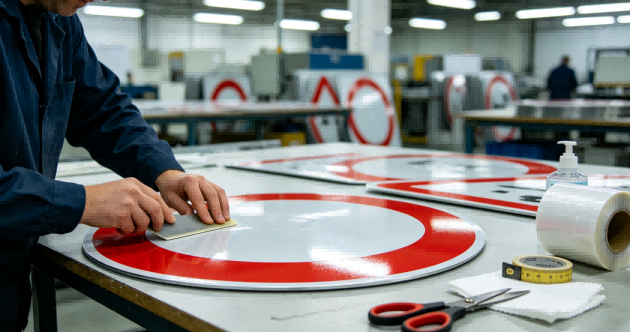
Surface preparation: Inspect sign blanks for flatness, dents, rust, and paint flaws. Completely remove dust, oil, and wax, then allow full drying before lamination.
Material check: Verify sheeting grade, retroreflective specs, and shelf life. Do not use damp, wrinkled, or expired materials.
Environment & tools: Work at 15–28°C and 40–60% humidity in clean, low-wind conditions. Use professional squeegees, sharp knives, and lint-free cloths to avoid scratches and uneven pressure.
4. Step-by-Step Standard Installation
Positioning: Align sheeting per design specs and temporarily fix to avoid shifting.
Bubble-free lamination: Apply film gradually from center outward with steady squeegee pressure to fully expel air and prevent hidden gaps.
Edge sealing & trimming: Firmly press all edges for tight adhesion and trim clean, burr-free margins to block moisture and dust ingress.
Pre-curing inspection: Check for bubbles, wrinkles, and misalignment. Fix all minor defects before adhesive cures completely.
5. Weather & Seasonal Guidelines
Avoid installation below 5°C or above 35°C, as extreme temperatures weaken adhesive performance. Do not laminate in rain, fog, or high humidity, which traps invisible moisture and causes future peeling. For outdoor jobs using Outdoor Road Sign Reflective Sheeting, use temporary shelters to control wind and dust during application.
6. Top Installation Mistakes to Avoid
1. Incomplete cleaning leaves contaminants that cause spot delamination.
2. Fast one-pass lamination traps air and creates bubbles.
3. Improper tools scratch reflective surfaces and ruin optical performance.
4. Unsealed edges lead to progressive peeling and water damage.
5. Bad weather installation results in unstable bonding and early failure.
6. No final inspection allows small defects to become large-scale failures.
7. Real-World Project Case Study
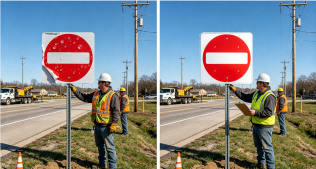
A North American municipal sign upgrade project deployed 1,200+ high-intensity reflective signs — HIP reflective sheeting for traffic sign grade — across two teams. The non-standard team skipped deep cleaning, ignored humidity rules, and omitted edge sealing. Within 6 months, 18% of signs bubbled and warped, causing inspection failures and rework.
The standard team followed full best practices: controlled environment, bubble-free lamination, edge sealing, and final checks. After 2 years of outdoor exposure, signs showed zero failures, passed DOT inspection on the first try, and reduced long-term maintenance costs by 40%. This confirms that standardized installation is the key to reliable, cost-effective signage performance.
8. Compliance & Durability Tips
Always align work with ASTM D4956 retroreflective standards and USDOT sign installation guidelines. After installation, perform routine cleaning and quarterly adhesion checks to extend service life. Match process strictness to sheeting grade (engineering, high-intensity, diamond) to maximize rated lifespan. Where certification is required, specify ASTM D4956 Type IV reflective sheeting products; for engineering-grade programs, Super Engineering Grade Safety Reflective Sheeting is a dependable choice.
9. Core Key Takeaways
Reliable reflective sheeting installation relies on four core best practices: clean dry substrates and material pre-checks, controlled working environment, bubble-free gradual lamination, and full edge sealing + post-installation quality control. Consistent compliance eliminates most field failures, extends sign life, and ensures safe, code-approved traffic signage.
10. Conclusion
Reflective film installation is a technical, detail-driven process, not simple sticking. Standardized procedures protect project compliance, reduce rework costs, and deliver durable, high-visibility traffic signs for contractors, buyers, and road engineering teams.
FAQ
Q1: Can you install reflective sheeting in cold weather? A: Avoid installation below 5°C. Low temperatures reduce adhesive strength and cause future peeling. If necessary, pre-warm sign blanks and maintain a controlled workspace.
Q2: How to fix bubbles after installation? A: Within 24 hours, release tiny bubbles by piercing and squeezing air out. Replace heavily bubbled or fully cured sections to prevent recurring defects.
Q3: What is the typical service life after professional installation? A: Engineering grade: 3–5 years; High-intensity grade: 7–10 years; Diamond grade: 10–12 years under regular maintenance.
Q4: Are professional tools required? A: Yes. Proper squeegees and precision knives ensure even pressure, clean edges, and scratch-free reflective surfaces.
Q5: What causes most installation failures? A: Uncontrolled job-site conditions and incomplete surface cleaning account for over 70% of reflective sheeting failures.

 لغة
لغة